
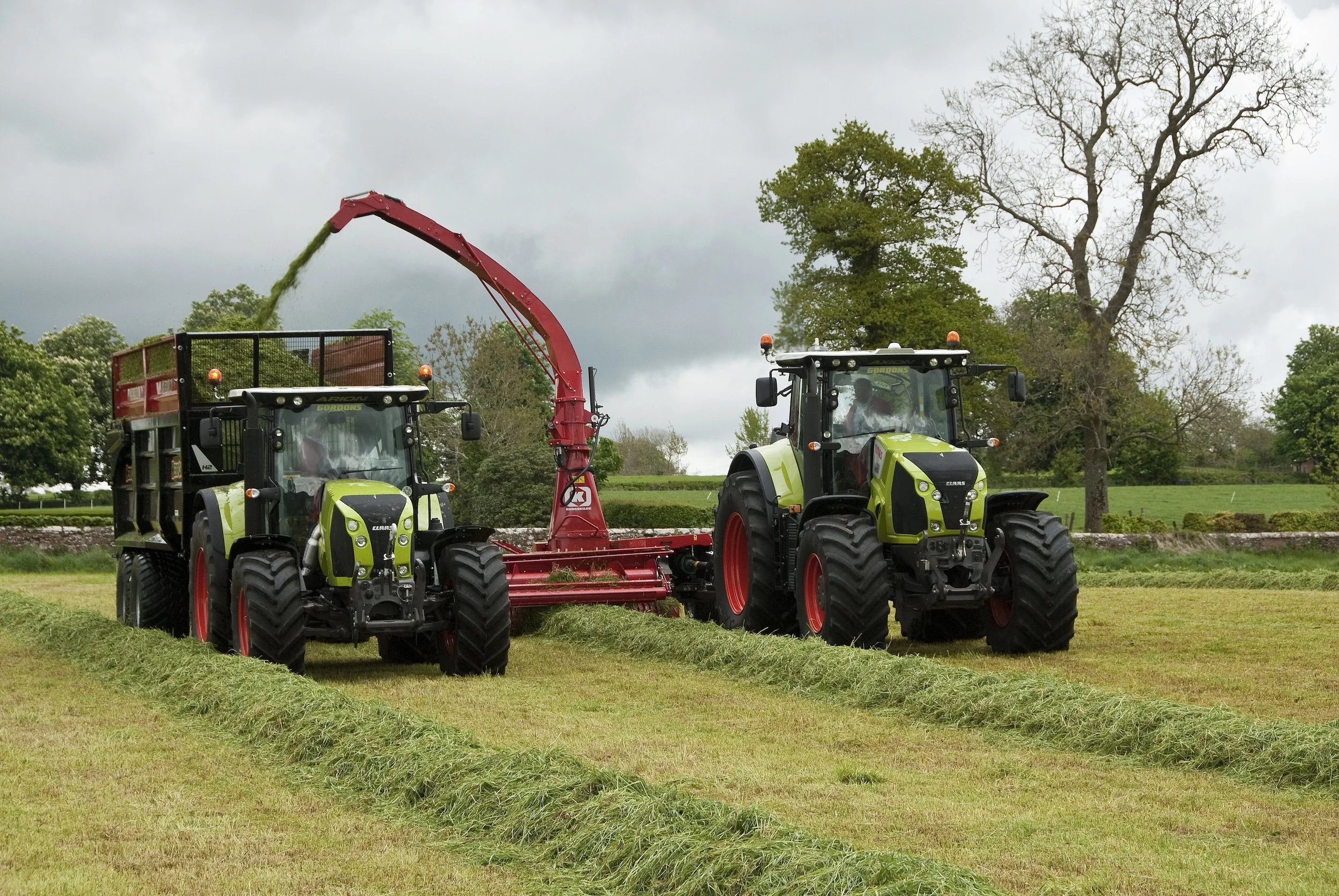
Farmers looking to make the most of a late silage cut are being urged to use a proven additive in light of low grass sugars and risk of residual nitrates in swards.
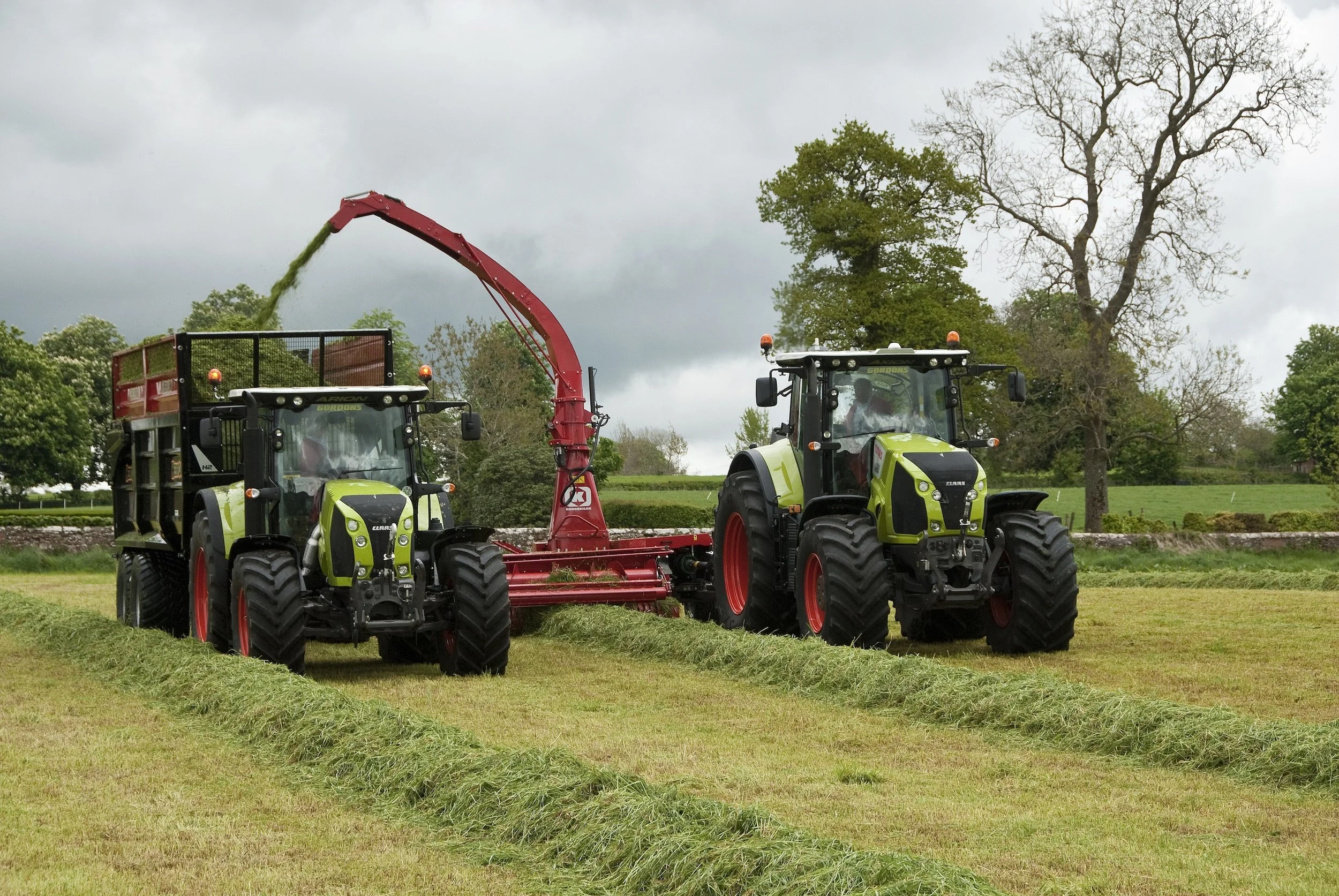
With forage stocks looking tight on many farms following the extended summer drought, most will be looking to capitalise on the return of rain and take a late cut. However, stressed grass swards and less sunlight will create fermentation challenges in the clamp, says Ken Stroud Key Account Manager for Volac.
Shorter daylight hours mean grass is less able to make sugars which are the drivers of efficient fermentation, “he explains. “Many leys are also stressed following the extended drought so growth and recovery will be slower which will also lower the amount of sugar it produces.
Slower grass growth could also affect nitrogen uptake from any applied fertiliser. Any sudden downpour could cause a spike in nitrate uptake by the plant which could raise the risk of buffering in the clamp, whereby forage resists the pH drop needed to drive fermentation.
A proven silage additive becomes even more vital to overcome this buffering and utilise the low levels of plant sugars as efficiently as possible,” Ken explains. “For example, Ecosyl delivers a million MTD/1 bacteria per gram of forage treated and results in the rapid production of lactic acid, which is the strongest and most beneficial fermentation acid. That will help overcome the buffering effect, slow the proliferation of undesirable bacteria, yeasts and moulds and protect against dry matter losses, which no one can afford this year.
Wilting to 30% dry matter will help combat buffering, but often this is hard to achieve in early autumn. If the crop doesn’t wilt well, using an additive that will drive rapid production of lactic acid becomes even more important to overcome the higher moisture.
Ken also urges farmers to avoid the temptation to cut grass too low in an attempt to optimise yields. “Avoid cutting below 5cm. As grass is recovering after the drought, a height of 7-8cm may be preferable. This will also allow better air circulation to aid wilting. Cutting too low is a false economy as it stunts regrowth by taking off the leaf node and also risks introducing dead material and soil bacteria into the clamp which can negatively impact the fermentation process and reduce feed value,” he explains.
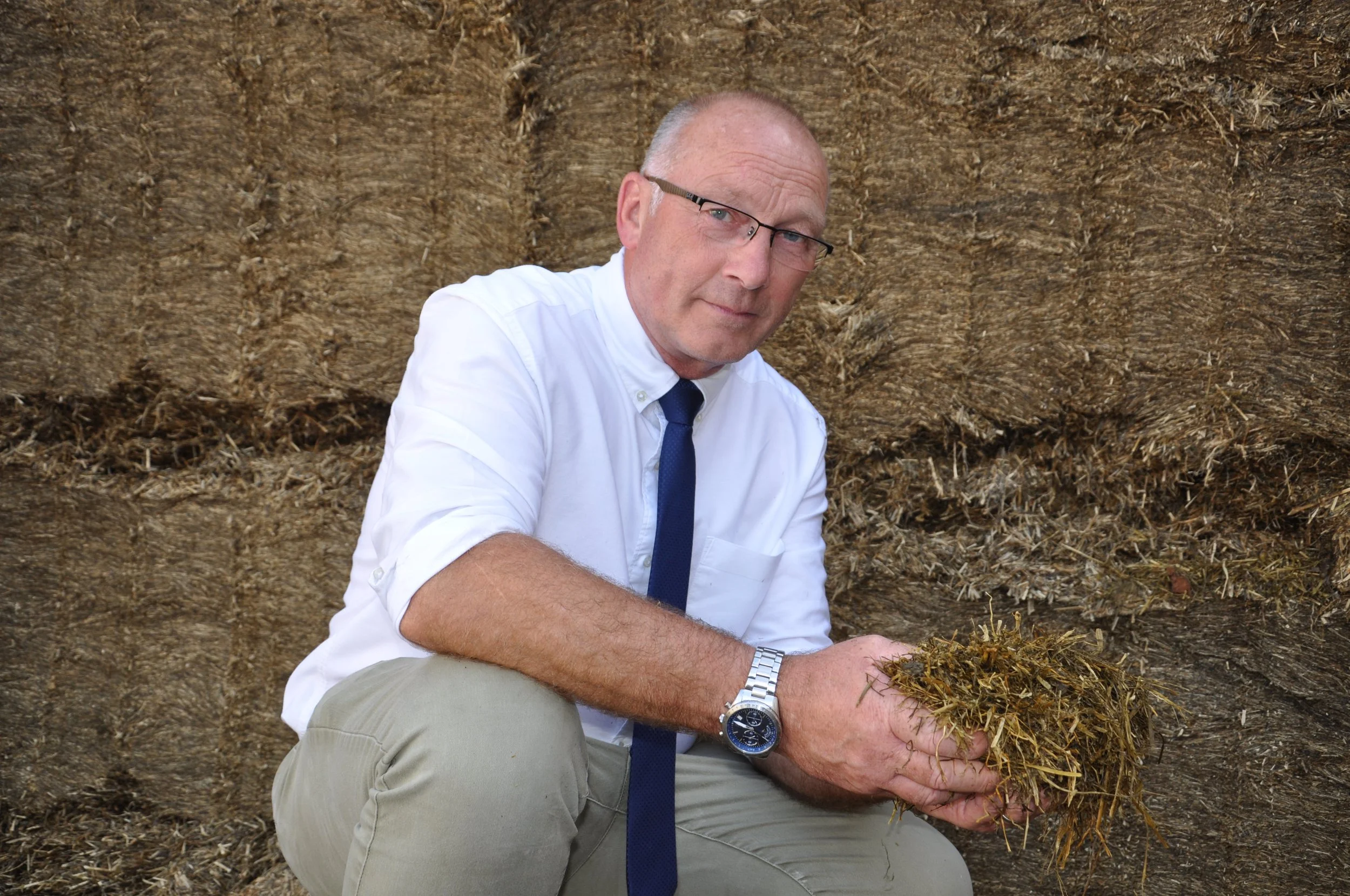
Where leys have been stressed in the heat, they are also likely to be steamier, which could create issues with clamp consolidation. As a result, it’s worth making full use of side sheets, oxygen barriers and top sheets and paying as much attention to consolidation as possible.
Some may also be tempted to take a cut into November/December to shore-up forage stocks if ground and growing conditions allow. Ken says this is worth considering, but farmers should be aware that a lack of sugar at that time of year will likely result in a bland, bulk feed with not much feed value.
It might be better than nothing. If you’ve got grass there, go get it,” he says. “But if there’s any sign of sugar, use an additive to take control of the fermentation process or you risk a poor fermentation and silage losses.
Make every tonne count this autumn. For more advice on managing late silage cuts, improving fermentation and protecting valuable forage stocks, speak to your local silage specialist.