
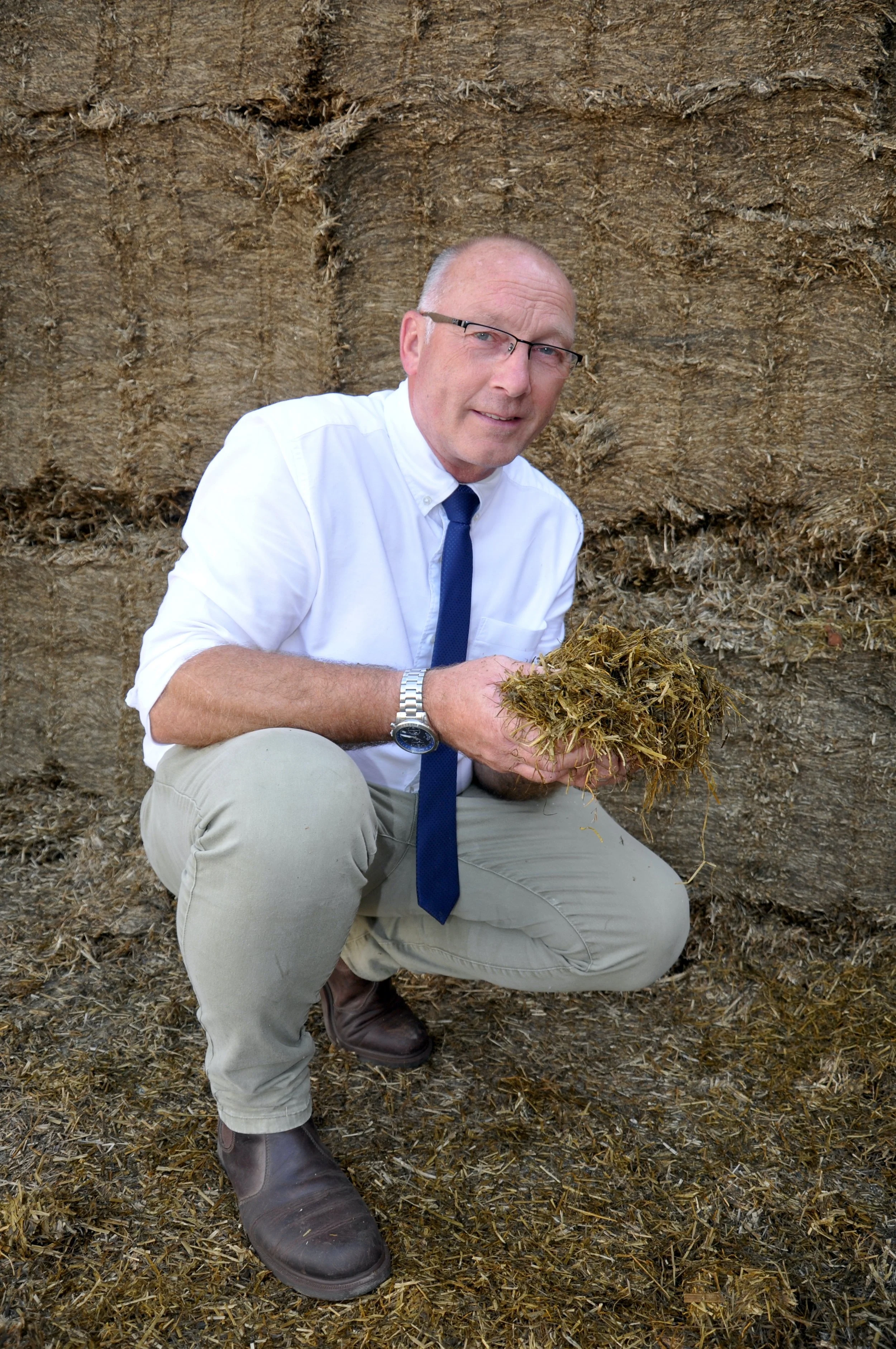
By Ken Stroud, Ecosyl technical business manager for Volac.
Once forage has been clamped, as well as preventing rain driving into the open clamp face and ‘washing away’ the fermentation acid that’s preserving it, the key is to minimise ingress of air.
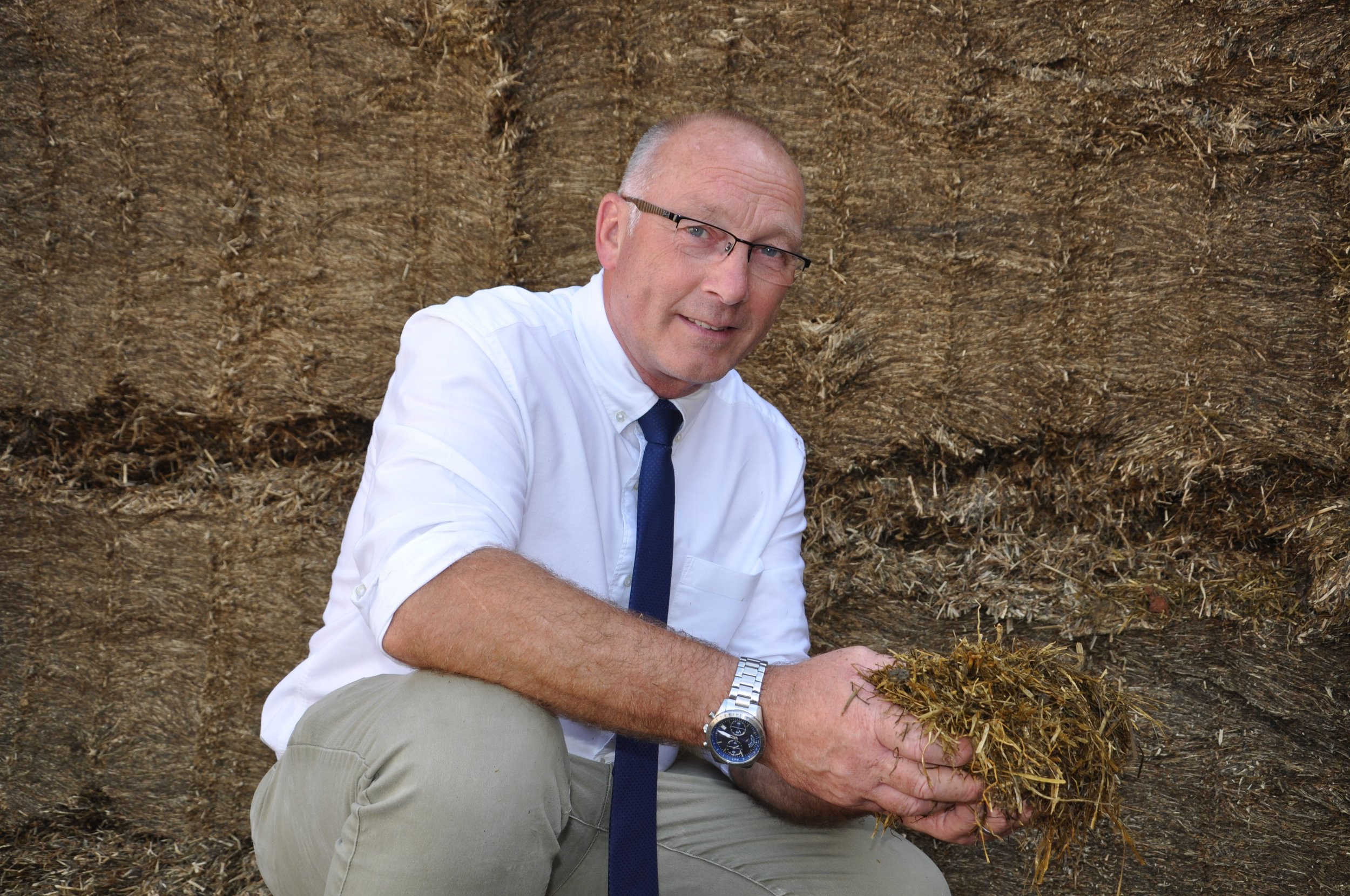
Air allows yeasts and moulds to grow on silage, causing losses in both dry matter and nutrients in the process of aerobic spoilage (heating). Silage palatability and intake can also be reduced, and certain moulds produce mycotoxins.
Sides and tops of clamps are vulnerable to air ingress. So if the top is heating, consider adding more weight to compress it. If weighting is only possible towards the front of the clamp, keep moving it back as feedout progresses.
To minimise air exposure of the open face, keep it smooth and tidy – for example using a silage defacer, block cutter or shear grab, with knives kept suitably sharp. And move across the face quickly daily – if necessary by removing only half-depth grabs, provided this doesn’t compromise maintaining a smooth face if forks on shear grabs can’t gain sufficient purchase, leaving enlarged holes.
Also, remove old silage from the floor immediately to minimise mould spores blowing about. And don’t pull the top sheet down over the face. This traps humidity, further encouraging yeasts and moulds. However, don’t cut top sheets back too far.
If silage is cool coming out of the clamp but heats up in the mixer wagon, consider applying a silage stabiliser, such as EcoTMR. Containing approved preservatives, this inhibits yeasts and moulds to keep silage fresher for longer, and has reduced nutrient losses by up to half.
By taking simple steps to control air ingress and, where needed, using a silage stabiliser like EcoTMR, you can protect silage quality, reduce nutrient losses and maximise feed value.