
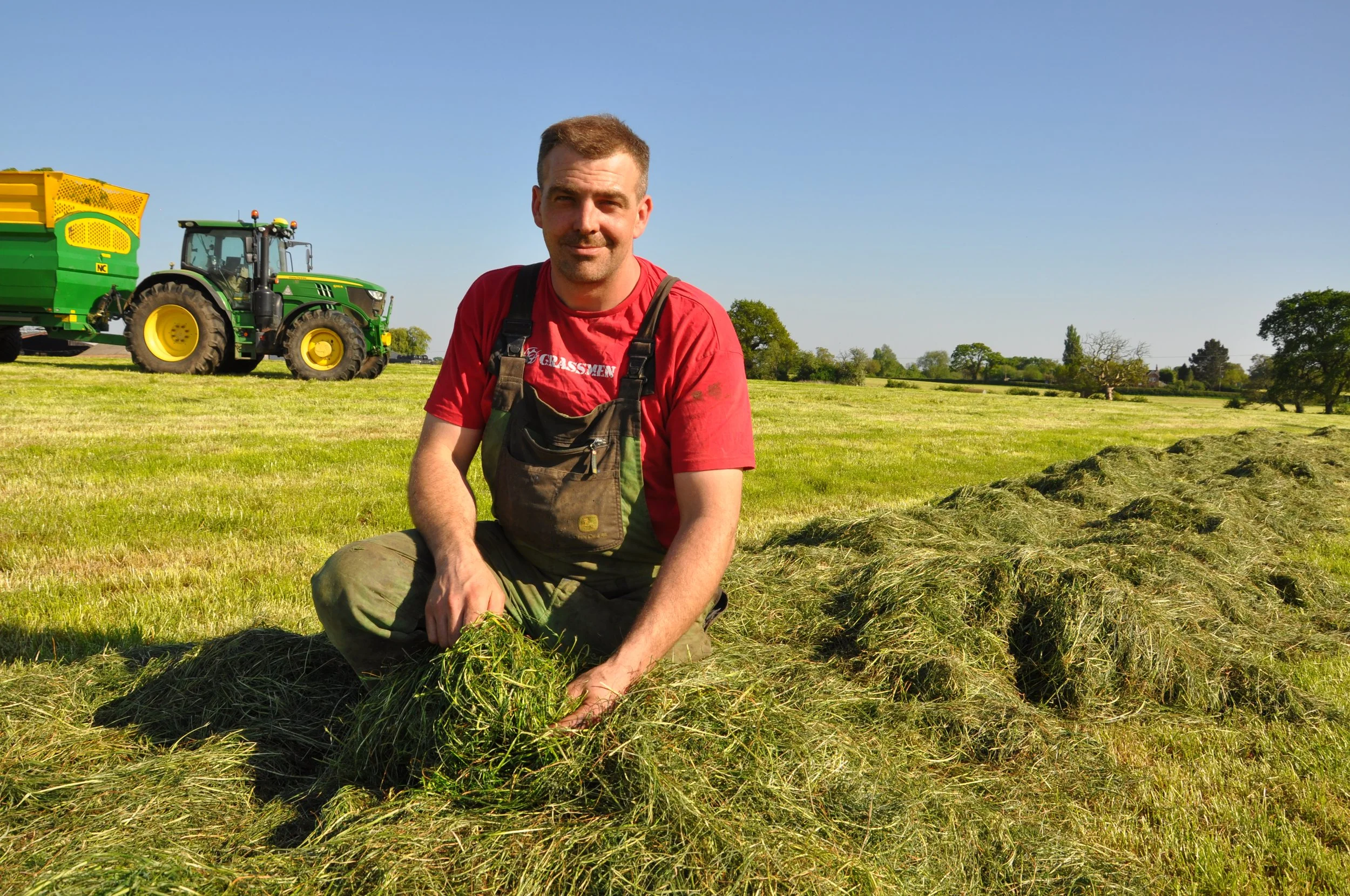
As on many farms, reduced milk prices have cut margins for Mark Fitton, so he remains committed to maximising milk from forage.
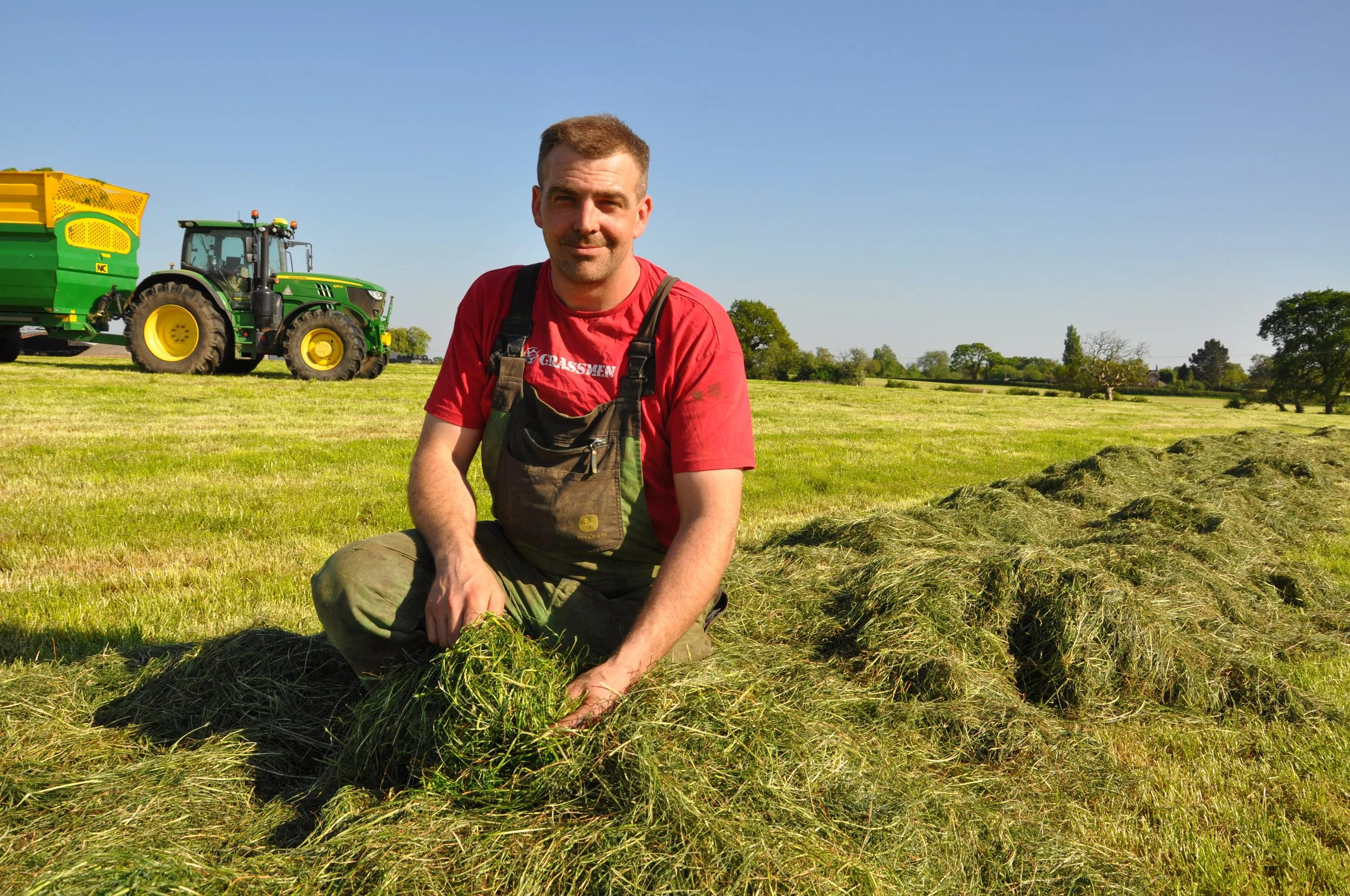
Milk price drops and the washout start to 2026 were two subjects occupying the mind of Mark Fitton of The Farms in Shropshire, as he was preparing for the 2026 silage season back in February.
Fortunately, timely rain last autumn plus attention to detail had provided sufficient grass silage for the 250 year-round-calved herd. So cow numbers did not need reducing. But the wet start to 2026 hindered grassland fertiliser plans.
“The persistent rain meant we didn’t manage to get any fertiliser on when we wanted,” explains Mark, “In previous years we’ve gone on in early February.
The sheep that were grazing the 35ha of ryegrass planted after last year’s maize went in January, and it was just dry enough to get some separated liquid muck on this and some other grass fields in the third or fourth week of January.
“Depending on the weather, we’ll get a silage cut off these 35ha around mid-April. I’m planning to spray them off the week before. Then, as soon as we get the grass off, we’ll get muck on and plough it. I don’t want grass growing in the following maize.”
Mark’s target date for maize planting is the last week of April. The plan is to sow 50,000 seeds/acre, rather than 45,000, after the higher rate helped yield in the dry conditions last year.
Grass plans
Meanwhile, the wider plan for grass silage is to increase back to four or five cuts, after the drought allowed only three cuts last season. More frequent cutting is a strategy that can improve not only grass quality but also total dry matter (DM) yield, Volac technical business manager, Amanda Clements, points out.
Amanda says: “Compared with three cuts, our trial work has shown that cutting five times produced 0.92t/ha more DM over a season.
“The five cuts were also 0.5 MJ/kgDM higher in metabolisable energy (ME) on average and higher in crude protein. ME is important for milk from forage. Indeed, combining its extra yield and energy, the five-cut system had the potential to deliver an extra 3,506 l/ha of milk versus three cuts. But multi-cut silage does need looking after.
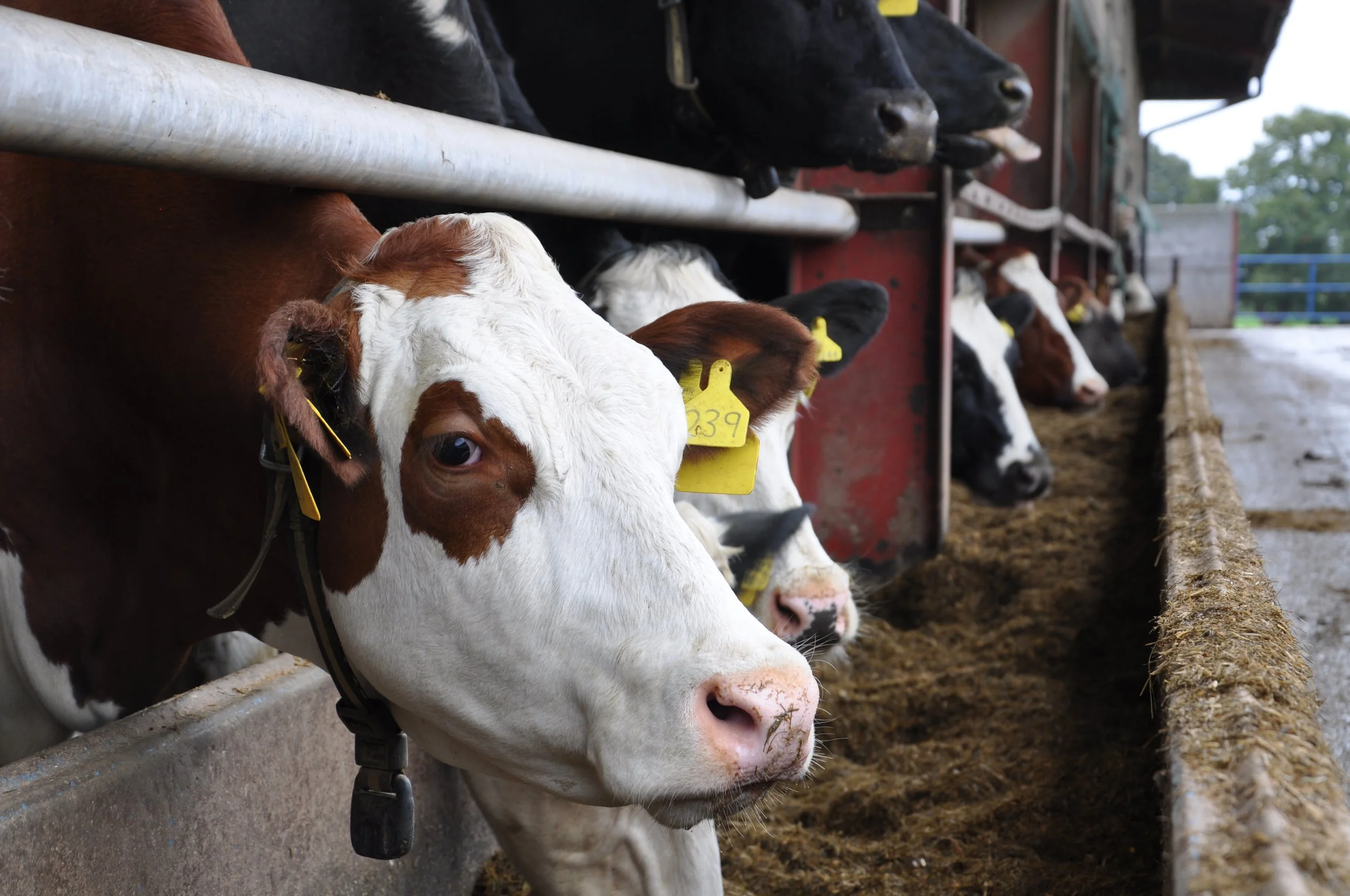
“Its higher protein can contribute to buffering the fermentation, while shorter cutting intervals mean less time for slurry bacteria to decline if applying slurry between cuts. This increases the case for using a quality inoculant to boost the fermentation, and a further stage of our research found that by applying Ecosyl to multi-cut grass, average DM loss was halved. There was also evidence of better protein preservation.”
For Mark, up to 4,000 litres of his 9,000 litres/cow average yield comes from forage. He says there are savings to be made on bought-in feeds by making better silage.
If you’re filling cows with poor quality silage, they’re not going to do so well. Hopefully the milk price has now bottomed out.
Helping farmers produce consistently better silage.